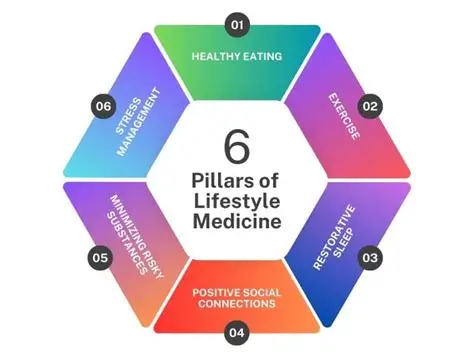
- Nutrition – Mostly Plants
We educate athletes and families on a whole-food, predominantly plant-based approach to nutrition, emphasizing: Fruits, vegetables, whole grains, legumes, nuts, seeds, minimally processed foods, Nutrient density, fiber, and antioxidants.
Our programs teach nutrition as fuel for: Athletic performance, Disease prevention, Long-term health and vitality.
Education is age-appropriate and culturally sensitive, empowering families to make sustainable, informed choices. - Physical Activity – Movement
DPA promotes regular, consistent physical activity as foundational to health.
Programs include Functional fitness training, Sport-based athletic development, Age-appropriate movement education, and Lifelong movement habits.
We emphasize movement for life, not just competition, but helping athletes develop strength, endurance, mobility, confidence, and resilience. - Stress Management
We teach athletes how to recognize and manage stress in healthy ways.
Programs address: Mental resilience, Emotional regulation, Breathing and recovery techniques, and Faith-based reflection and perspective.
Athletes learn that stress, when managed well, can build growth — but unmanaged stress harms health and performance. - Substance Use Education
DPA provides education and mentoring related to: Tobacco avoidance, Alcohol moderation, Avoidance of harmful substances, and Decision-making and accountability.
We approach substance education with patience, grace, and support, recognizing that behavior change is a process and that community and mentorship matter. - Restorative Sleep
Athletes are taught the importance of restorative sleep as a performance and health tool.
Education includes Sleep hygiene, Recovery strategies, Age-appropriate sleep goals, and understanding the impact of sleep on mood, metabolism, learning, and performance
We emphasize sleep as a cornerstone of health, not a luxury. - Social Connection
DPA intentionally builds community through: Team-based training, Mentorship relationships, Family engagement, and Positive peer culture.
We teach that strong relationships reinforce healthy behaviors and promote emotional and spiritual well-being.